
2 Years, Countless “Why Did I Do This?” Moments in US – 15th Aug 2025
Exactly two years ago, I made a decision that sent my life into a thrilling roller coaster ride. I quit my decently paying job ( at least what I thought), where I had grown leaps and bounds in my career, to take a flight into the unknown—an adventure that would turn out to be the biggest of my life!
Two years in, if you asked me, “Was it worth it?” — I’d have to say, I’m still figuring that out.
I’ve put my thoughts into a few words below — curious to hear what you think. I’m sure at least a few of you will relate, if not all.
- Making friends in 20’s
- Huge Debt
- Uncertainty in VISA Status
- Supremely tough Job Market
- Ageing Parents
Making Friends in 20’s
Making genuine friends is one of the most challenging things in the U.S., something I realized after moving here. I was a social animal back home, with a large group of friends. The people I knew were easy to categorize: Friends, Family, Colleagues, and Strangers.
But after coming here, the scene was completely different. Here, the categories became: Friends (Very Few), Classmates, Acquaintances, Situational Friends, Professional Friends, Crushes, Situational Crushes, Activity-based Friends, Online Friends, Cultural Friends, Work Friends, and Friendly Strangers.
I never realized that making friends also requires a lot of effort. You get a kickstart if you meet people in the first two weeks, as everyone is new and open to making connections. But building meaningful friendships takes time—especially deep ones. Friendships grow through consistency, not just chemistry. I believe that initially, if you are out of sight, you are out of mind. If you vibe with someone, sharing a bit about yourself—your background, interests, or even your challenges—can invite connection.
I wouldn’t say to try too hard initially; it’s going to be tough. Stay away from people who are emotionally unavailable. I’ve found it difficult to make friends who are dating, but it’s not their fault—it’s just their priority at the moment. I genuinely think people should respect boundaries but also not be afraid to initiate. Many people appreciate someone who takes the first step. Consistency matters more than intensity. Accept invitations, even if they’re outside your comfort zone. You don’t have to be outgoing—just open. Every “yes” is a chance to meet someone new or deepen a bond.
If you have some friends, be a connector—introduce people to each other. Host small gatherings. When you help others connect, you become a social anchor. I introduced my two sets of friends to each other, and now they hang out even without me. One thing I’m proud of is that I didn’t rush to add my new friends to our WhatsApp groups. Instead, I waited for them to naturally form a bond, and eventually, they got added on their own. I didn’t have to push it—the connection happened organically.
Making friends as an adult is awkward for everyone. Most people appreciate the initiative but rarely take it themselves. Authenticity attracts the right people. Friendship is a slow build, not a sudden spark.
Sometimes, just be a good listener; at other times, share about yourself. People remember how you made them feel more than what you said. Be emotionally available and genuinely care. Emotional depth is what transforms acquaintances into real friends. Some people are introverted or socially anxious—respect their pace and space. Friendships grow when both sides feel safe and understood. Most people are waiting for someone else to make the first move.
Routines deepen bonds over time. Making friends is a skill, not a talent. Always be open to people who make an effort to be your friend. True platonic friendships are rare and valuable. At the same time, don’t get too comfortable sticking to a small circle—expand your horizons.
To wrap up, your 20’s are a time of navigating many challenges, and in the process, it’s easy to unintentionally de-prioritize social connections. Yet, building meaningful friendships during this period can provide support, joy, and memories that last a lifetime. If you feel this make sense pick the phone and call that friend who you lost touch with
In person meeting >> Video Calls >> Audio Call >> Texts >> Sharing Reels >> Snaps

Huge Debt
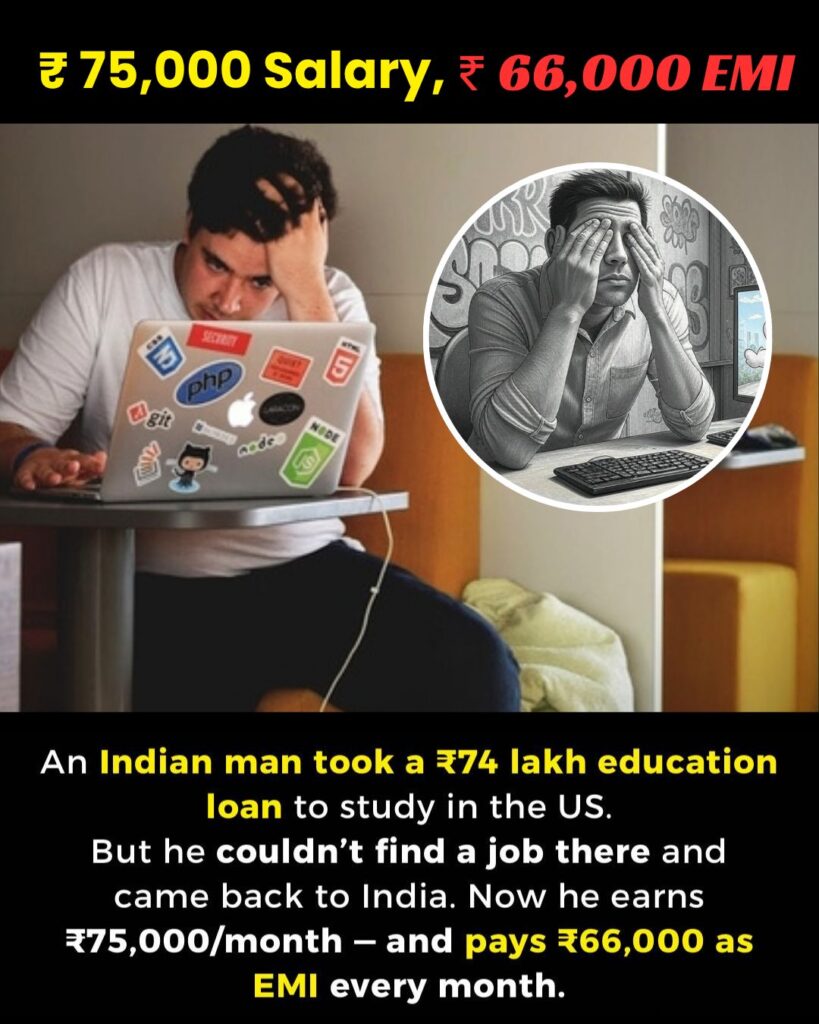
Pursuing a master’s degree in the U.S. is no small investment—it’s one of the most expensive adventures you can take. Tuition alone feels like it could buy a small island, and then you add rent, groceries, health insurance, and random “oops-I-need-this-now” expenses. Before you know it, your student debt starts looking like a long-term roommate you never signed up for.
Managing this debt while studying is like walking a tightrope—you’re juggling assignments, part-time work, and the constant reminder that your bank account is screaming. Yet, it teaches you resilience, creativity, and the fine art of surviving on instant noodles without losing your sanity.
The funny part? Even with all this financial pressure, you learn to celebrate small victories: finally paying off a bill, finding a discount, or just surviving another month without overdrafting. That debt isn’t just numbers—it’s a reminder of the risks you took to chase your dreams. And, in hindsight, every tough decision along the way becomes a story you’ll laugh about… eventually.
If your parents are sponsoring your studies, thank them—truly and often. Living on debt is stressful, and their support makes a huge difference, both financially and emotionally. Their belief in you is something to never take for granted.
I’m not sure if it’s true, but if it is that’s genuinely scary.
Supremely tough Job Market
The U.S. job market can be brutally tough, especially for international students. Even with a solid resume and relevant experience, landing that first role sometimes feels like trying to find a unicorn in Times Square. Visa restrictions, intense competition, and endless interviews can make the whole process exhausting—and occasionally soul-crushing.
One of the hardest parts is how much time goes into applying for jobs, preparing resumes, and chasing leads—time that could otherwise be spent learning new skills, building projects, or growing personally. It’s easy to feel like you’re stuck in an endless loop of applications with little progress.
I’ve felt the stress firsthand, but one thing I’ve learned is that you’re not alone. Many others are fighting the same battles, sending out applications, polishing resumes, and bracing for rejections. A little check-in, a word of encouragement, or sharing tips can go a long way. Helping others or just knowing someone understands your struggle makes the journey feel a little less lonely.
Persistence is key, but so is community. Celebrate small wins, support your peers, and remember: sometimes getting through the process with your sanity (and sense of humor) intact is already a huge victory.
Uncertainty in VISA Status
One of the trickiest parts of studying or working in the U.S. as an international student is the constant uncertainty around your visa status. It’s like living with a silent roommate who randomly decides whether you can stay or not.
This uncertainty seeps into everything—career choices, housing decisions, even travel plans and even friendships. You hesitate to sign a lease, or make long-term plans because, well, your future is uncertain.
But here’s the silver lining: you learn to live in “Plan B” mode. You become a master of patience, flexibility, and contingency planning. You focus on what you can control—building skills, networking, making friends—while realizing that some things, like visa approvals, are out of your hands.
Ageing Parents
If you’re in your mid or late 20s, chances are your parents are in their late 50s or early 60s o. This reality hits you hard, especially when you receive an unexpected call in the middle of the night or see multiple missed calls in the morning—it sends goosebumps down your spine.
I’ve seen friends hop on overnight flights to their home country because of a sudden illness in the family. The thought of something happening to your parents or grandparents is terrifying, and it’s even harder to process when you’re far away. Being miles apart while worrying about their health is a heavy emotional burden that many international students silently carry.
It’s a reminder of how important it is to cherish every moment you get to spend with your family and to stay connected, even if it’s just a short video call. Distance doesn’t make the worry any lighter, but staying in touch, expressing love, and being present in small ways can make a huge difference—for both you and your parents.
Conclusion
If you’ve made it to the end, thank you for reading send me a code 321 as acknowledgement. I hope it resonated with you and left you feeling a little refreshed. Remember to be there for someone who might need your support—it can make all the difference.
Two years down, many things to achieve, and the journey continues.
I miss you 3000 Shivu Putta !!